Time is (not) money
Published on: 2026-03-14
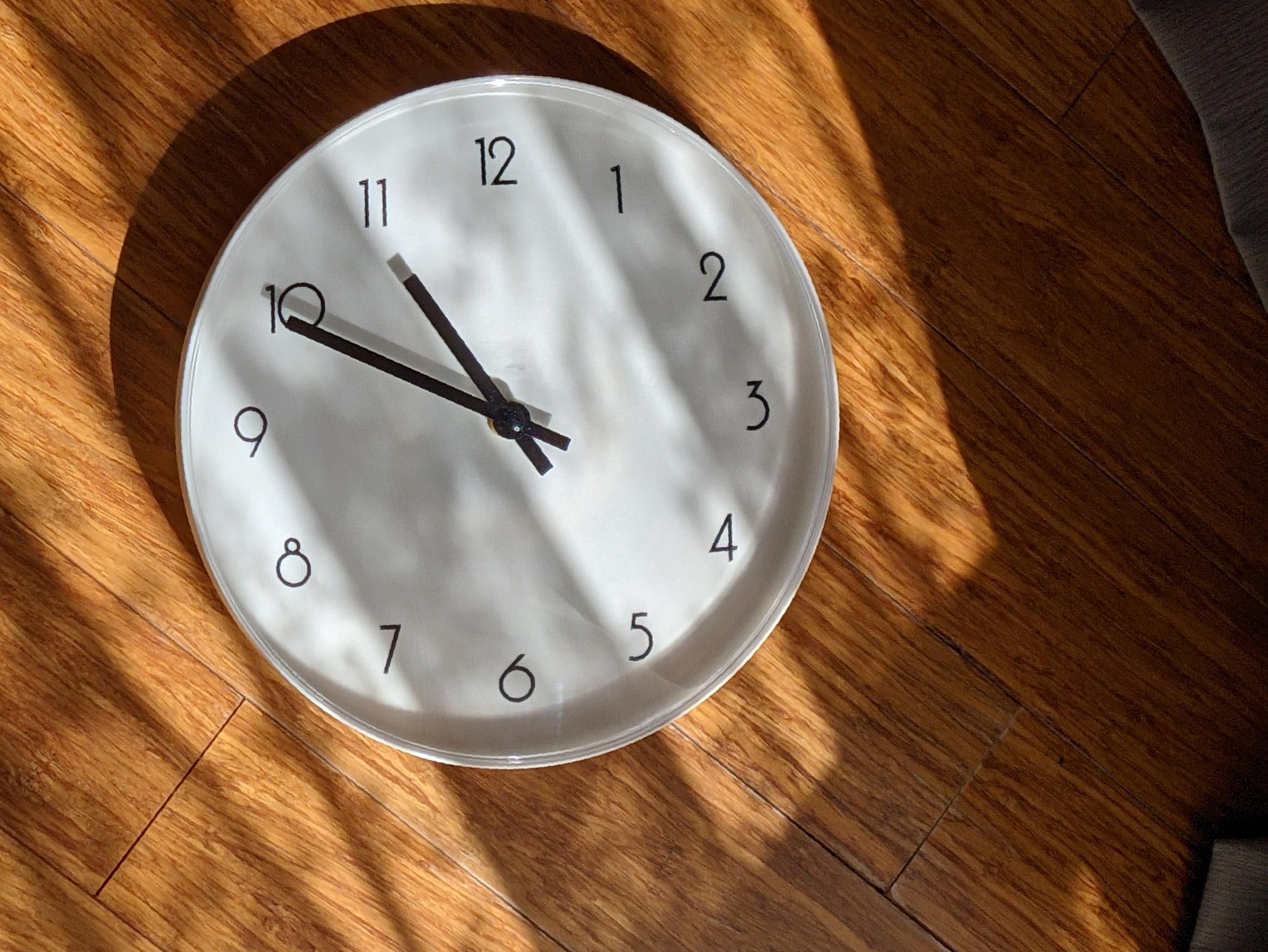
When we examine the world we live in, it is easy to see that work plays a central role. It occupies much of our time, supplies us with the money that is our lifeblood in this cost-of-living crisis. Notably, the structure of our society has lead to a reduction in the nuance in how we view our time; salaried work purports that a year of our time and effort can be adequately encapsulated and is equivalent to a simple monetary sum. The existence of hourly wages reinforces this - all hours are equal, regardless of what is done (or not done) within the timeframe. However, the very idea of monetary valuation is suspect. The Ancient Greek word for money is nomisma, meaning ‘a custom’ or ‘by way of usage’ - which the economist Yanis Varoufakis combines to characterise money as a collective delusion. Many of us spend our days in ways that lack consideration for our rich personal lives outside of work, and mindlessly trade away the breadth contained in the hours for a one dimensional monetary number.
The archetypal modern life trajectory of education then work then retirement is problematic even under a reductive money-centric value structure. Recreational activity such as travel during retirement is often more costly than recreation earlier on in life - premium airlines and hotels are almost a requirement for an aged and fragile body, but yield little benefit during a person’s younger, more robust years. Though compound interest on early investments in life can yield great benefits, the lifestyle creep effect all but guarantees a person will take on greater lifestyle costs while deriving less value from their spend as a consequence of age and a greater need for comfort and supports. It is the non-equivalence of different stages of life that drives this effect; the money gained to be spent later on must have been been sacrificed to monetary investment or additional work at an earlier time.

Beyond the purely financial, there are substantial drawbacks to ignoring the nuanced possibilities contained within our time. Many people’s lives are spent working for a salary - that is to say the useful chunk of a person’s time and effort are traded away in entirety for a nominal sum of money with little time remaining for the rest of life. Though work can undeniably be meaningful and impactful, the law of diminishing returns means the marginal hour spent on the job will have relatively little benefit in direct contrast to its unvarying hourly valuation. Conversely, an hour or two spent mindfully and with consideration can achieve much in the personal realm of life, such as with a loved one or reconnecting with a childhood friend. People nearing the end of their life can express regrets over missing out on being with family and friends, and not prioritising their own social and emotional needs while they still had the opportunity to do so. Failure to acknowledge that each hour of time is unique will lead us to such a life of compromised meaning.
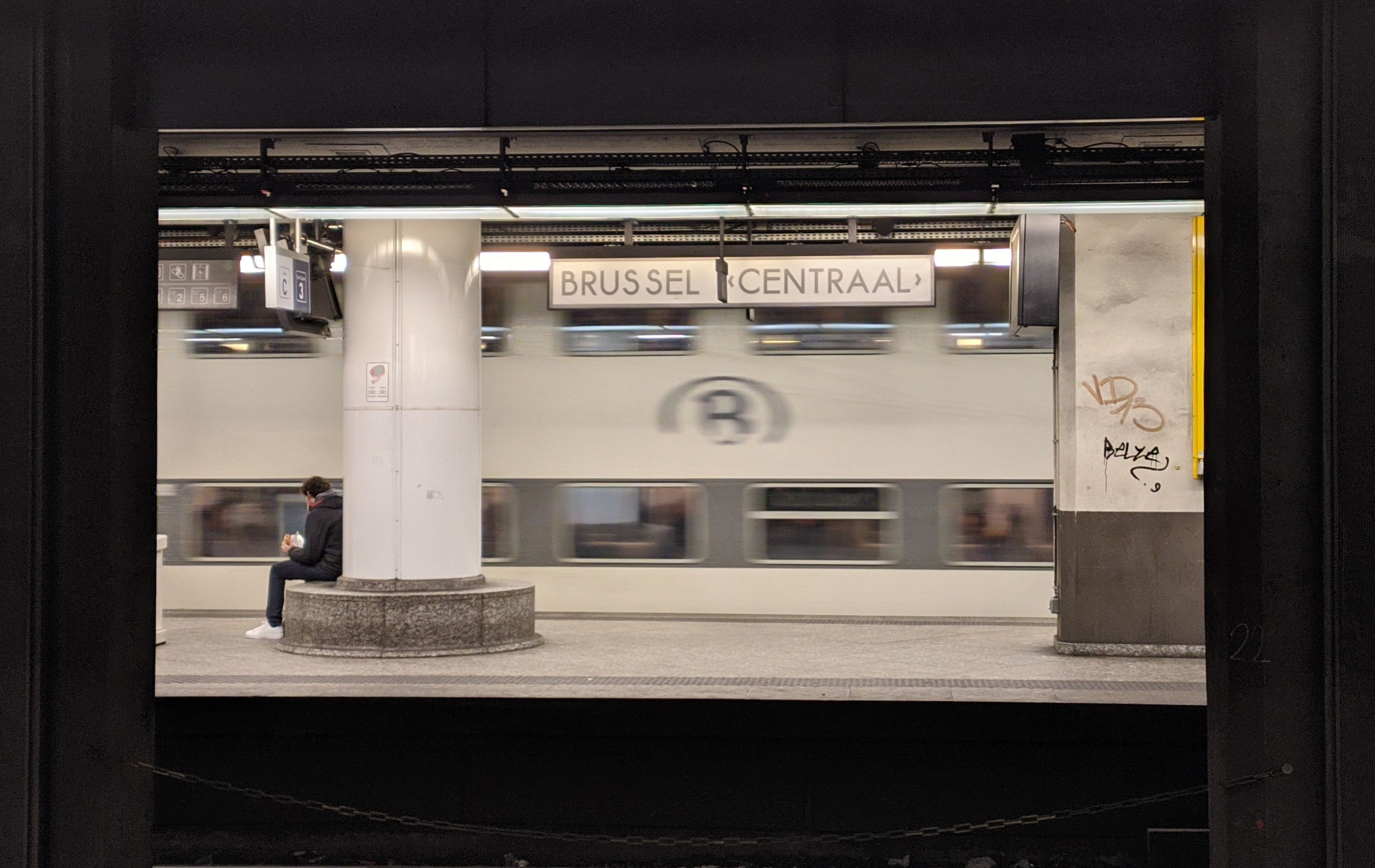
An argument can be made that work and life can be adequately balanced - there are plenty of people who have rich personal and social lives who also enjoy immense success in their careers. However, the inability to allocate one’s time in a nuanced way is a driving factor for why the sterotypical salaried employee is unhappy. It is all too common to see unhappy employees soldiering on with their rostered duties despite an unfulfilling personal life that is in dire need of time and attention. The exceptional few who do find personal and professional fulfilment often enjoy increased autonomy. For example, senior leadership can often direct their own work schedule around their personal non-negotiables that are so clearly important to supporting a rich and meaningful existence. A consistent pattern emerges: time being allocated without consideration contributes to a loss of personal meaning and economic production, while the privilege of allocating time in a nuanced way enables a more complete human existence. How we spend an hour, and how we allocate the years of our life will play a central role in whether we look back on life with happiness or regret.
The continued charade that time is as interchangeable as money is a harmful one, and society would perhaps benefit from entrusting people to consider how they spend their hours and years. Not only do we risk miscalculating the value of experiences if we treat money as an adequate proxy, but we also neglect the importance of the personal and private aspects in life when we do not allocate our time mindfully. The current arrangement is not working. Precious moments, lifelong memories with loved ones, or even what may be the last time we see a friend - these are what is slipping through our fingers when we follow the script and blindly accept the dogma of our times.
-Joseph